“So I sought for a man among them who would make a wall, and stand in the gap before Me on behalf of the land, that I should not destroy it; but I found no one.” (Ezek. 22:30)
Recently, a prophet of God shared a vision where the Lord was walking over the continent of Africa, looking for a man who would intercede to avert judgment, but He found none. Then the vision was repeated for the United States of America. The prophet was perplexed by this vision because he personally knew of genuine intercessors in these nations. When he asked the Lord why He could not find at least one intercessor, he was told that the Lord does not look at things the way man does. Our first impression of what this means is that the Lord looks at the heart rather than outward appearance. In this article, I want to suggest another interpretation.
I was troubled by the words of the prophet, not only because he prophesied about coming judgment, but because it seemed as if even our prayers would not help. If the Lord does not recognize the prayers of the intercessors, then what hope is there for us? How can judgment be averted if our prayers have no effect? As I pondered this, the Lord began to show me what He is looking for. This was encouraging because I could see that our prayers indeed have power with God (Jas. 5:16), but we must see things the way He does.
As the verse above says, He is looking for “a man”. In the natural this would be a faithful believer, but from a spiritual perspective, this is a body of believers, the Church. Believers are individually responsible to God for the quality of their works, but they are interdependent when it comes to function. We are all members of one Body and God expects us to function as one. We have a combined purpose to be the temple of God, a house of prayer for all nations (Isa. 56:7; Matt. 21:13). He is not just looking for intercessors, He is looking for a unified Church fulling its function as a house of prayer. The early Church was a praying people, and their corporate prayer was as one voice. “So when they heard that, they raised their voice to God with one accord… And when they had prayed, the place where they were assembled together was shaken, and they were all filled with the Holy Spirit, and they spoke the word of God with boldness. Now the multitude of those who believed were of one heart and one soul…” (Acts 4:24, 31,32).
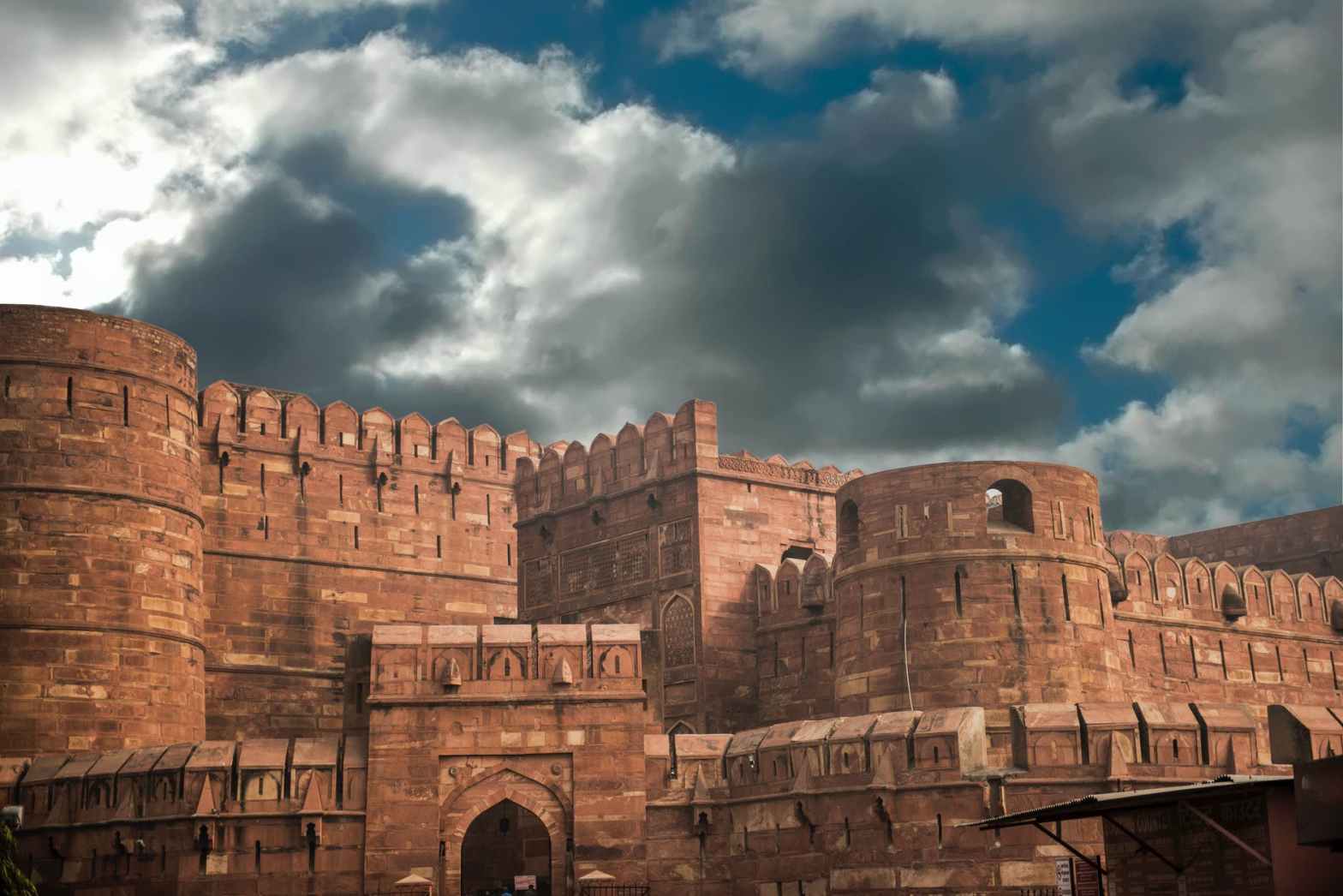
The Lord is looking for prayer and unity, but that is not all, He is also looking for holiness. “But you are a chosen generation, a royal priesthood, a holy nation… but as He who called you is holy, you also be holy in all your conduct, because it is written, ‘Be holy, for I am holy.’” (1Pe. 2:9,15,16). We see this in the Lord’s search for a man “who would make a wall, and stand in the gap”. We understand that intercession is represented by standing in the gap, but what does it mean to “make a wall”? The walls of the city are for protection. The opening in a wall is the location where the enemy will attack. As the wall is rebuilt, someone must stand watch. In a spiritual sense, the wall represents the ways of the people. We find this expressed by the prophet Isaiah: “Those from among you shall build the old waste places; you shall raise up the foundations of many generations; and you shall be called the Repairer of the Breach, the Restorer of Streets to Dwell In.” (Isai. 58:12). Intercession is required, but so is repentance, which must be followed by obedience. I have written more about this in my article entitled “Repairers of the Breach”. Even as I write this, I notice how we think differently than God. We see those who work to repair the wall as “Repairers” (plural), but the Lord sees them a one. He calls them “the Repairer” and “the Restorer”.
Why is one intercessor not enough? Why do we need a body of repairers and watchers? Firstly, the one who rebuilds is working, while another is watching. Secondly, when a wall is broken down, there is more than one opening so the work of building and watching must be carried out simultaneously in many locations. Furthermore, it must be carried out in unity so that if the enemy attacks while the work is progressing, the alarm can be sounded, and all can gather where the enemy is attacking. We have a good example of this in the book of Nehemiah when the walls of Jerusalem were rebuilt.
When judgment is declared on a nation, it is because of its sins. Believers are the salt that can preserve a nation from moral decay. But what if those believers become involved in the same sins rather than being intercessors and righteous messengers of truth? “You are the salt of the earth; but if the salt loses its flavor, how shall it be seasoned? It is then good for nothing but to be thrown out and trampled underfoot by men.” (Matt. 5:13). Judgment will not be averted if the Church is backslidden. There remains only one hope: “If My people who are called by My name will humble themselves, and pray and seek My face, and turn from their wicked ways, then I will hear from heaven, and will forgive their sins and heal their land.” (2Chron. 7:14).
When Nehemiah heard about the conditions of Jerusalem and the people who had returned from captivity, he began to fast and pray in faith and repentance (Neh. 1:1-11). His prayer was for God’s favor so they could rebuild the walls of the city and be delivered from their enemies. The way they carried out the work is a good example of restoration. First, he assessed the condition of the walls, then he motivated and directed the people in the work of rebuilding the walls. Throughout the work, their enemies looked for ways to stop them, but Nehemiah set half of them to watch with their weapons in hand while the others worked with their weapons at their sides. When necessary, they would stop the work and all stand in the gap with their weapons in hand. (Neh. 4:12-16).
We are at a critical time in the history of our world. Multitudes are in the valley of decision before the return of the Lord (Joel 3:14).
“‘Come now, and let us reason together,’ says the Lord, ‘though your sins are like scarlet they shall be as white as snow; though they are red like crimson, they shall be as wool. If you are willing and obedient, you shall eat the good of the land; but if you refuse and rebel, you shall be devoured by the sword’; for the mouth of the Lord has spoken.” (Isa. 1:18-20)
 Highway in the Wilderness