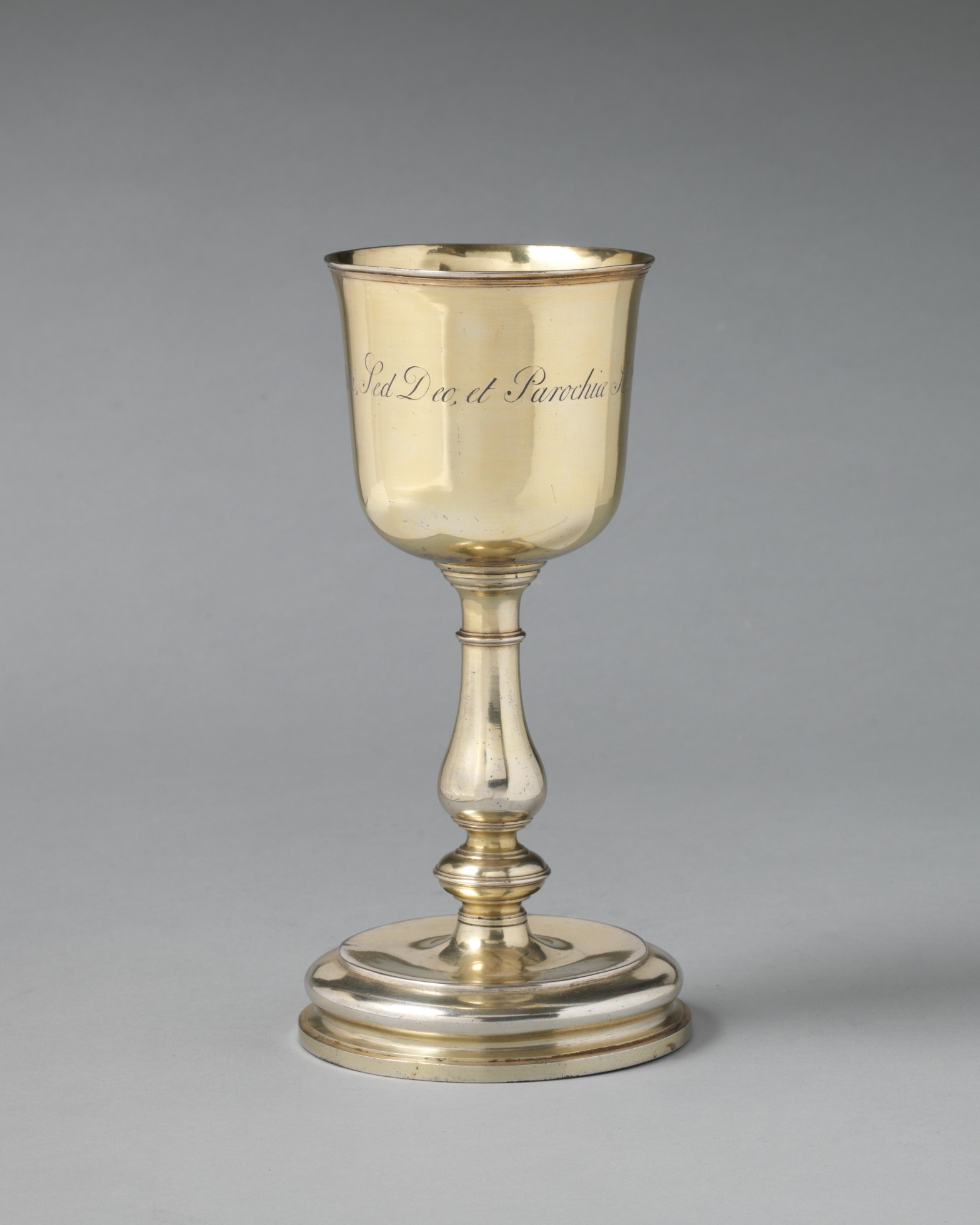
“Who may ascend into the hill of the Lord? Or who may stand in His Holy place? He who has clean hands and a pure heart, who has not lifted up his soul to an idol, nor sworn deceitfully. He shall receive blessing from the Lord, and righteousness from the God of his salvation.” (Ps. 24:3-5)
The Lord’s Supper was given to us as a special way to come before Him. Too often in our churches it is approached as a religious exercise. When Jesus established the Lord’s Supper, He was not thinking of a religious exercise but an act of faith. Yes, we remember the Lord’s death, but it is more than that. Because of the His sacrifice, we can approach God’s throne of mercy and grace. We can receive blessings from the Lord. As we meditate on the meaning of Communion, we can obtain a greater understanding of how it can be a means of grace for us.
Participating in the Communion Service pleases God, but we must do so in a worthy manner. Paul told the Corinthians that the way they were taking Communion was hurting them rather than blessing them (1Cor. 11:17). To approach the communion table in an unworthy manner brings judgment, not blessings. “For he who eats and drinks in an unworthy manner eats and drinks judgment to himself, not discerning the Lord’s body.” (1Cor. 11:29). It is important that we recognize this as we begin to see an increase of the Glory of God in our gatherings.
There are all kinds of explanations as to what it means to take the Lord’s Supper in a worthy manner. One teaching centers on the fact that healing is provided in the atoning sacrifice of Christ. The principle taught is that if we do not believe that we were physically healed by the stripes of Jesus (1Pe. 2:24), then we are not “discerning the body of the Lord” and thus are falling sick and dying. That physical healing is provided in the atonement is one of the blessings available to those who “ascend the Hill of the Lord and stand in His holy place”. Believing in divine healing, however, is not what it means to discern the Lord’s body or to partake in a worthy manner. We need not go too far in our search to understand what Paul meant by “discerning the Lord’s body”. He explains it in the next chapter of his epistle. “For by one Spirit we were all baptized into one body—whether Jews or Greeks, whether slaves or free—and have all been made to drink into one Spirit.” (1Cor. 12:13). If we try to live independently rather than as members of Christ, we are not properly discerning His body. To come before the Lord in a selfish manner will bring judgment upon ourselves. Sin is what brings judgment. To eat in an unworthy manner is to approach the Lord with unrepented sin in our hearts.
A great outpouring of God’s Spirit has been promised for the end times. As evil increases on the earth, the manifested presence of God (His glory) will also increase. God is not present in religious exercises. There is no blessing nor judgment in it. But, if we approach His presence in faith, we must do so with “clean hands and a pure heart”. The gifts of the Spirit were in great manifestation among the Corinthians when Paul wrote his epistle (1Cor. 1:4-7), but these believers were still carnal (1Cor. 3:1-3). For this reason, Paul explained the need to approach the Lord in a worthy manner. In the book of Acts, we read about the death of Ananias and Sapphira (Acts 5:1-11). Their sin was not any greater than many of our sins today, but it was judged immediately because the Spirit of God was manifestly present among them. If we desire to approach the throne of God, we must do so in the reverential fear of God. We must not depend on the kindness of God to overlook our sin because it is His goodness that leads us to repentance” (Rom. 2:3,4).
Having a reverential fear of God requires that we search our heart before partaking of Communion and that we allow others to do the same. (1Cor. 11:33). When I first came to the Lord, I was afraid of participating in Communion, but I also wanted to get closer to Him. Because of this desire to know Him, I would press in, repenting of any known sins, and trusting in His precious blood to cover any unknown sins. “Therefore, brethren, having boldness to enter the Holiest by the blood of Jesus… let us draw near with a true heart in full assurance of faith” (Heb. 10:19-22).
Now the fear of the Lord is only the beginning of wisdom; we must move on to spiritual understanding (Prov. 9:10). The benefits of participating in the Lord’s Supper come through our surrender. “I beseech you therefore, brethren, by the mercies of God, that you present your bodies a living sacrifice, holy, acceptable to God, which is your reasonable service.” (Rom. 12:1). If we correctly discern the Lord’s body, we recognize that we are no longer our own. “Or do you not know that your body is the temple of the Holy Spirit who is in you, whom you have from God, and you are not your own? For you were bought at a price; therefore glorify God in your body and in your spirit, which are God’s. (1Cor. 6:19,20). We are new creations, members of the Body of Christ.
When we “proclaim the Lord’s death”, we are confessing our death and resurrection with Christ. “For as often as you eat this bread and drink this cup, you proclaim the Lord’s death till He comes.” (1Cor. 11:26). Communion is a time to remember what He has done for us through His sacrifice as we make a declaration by faith that we died with Him. Part of this declaration is a meditation on what it means to be “in” Christ. If we died with Him, we no longer die; we have life eternal. The Scripture says that those who pass away before the return of the Lord are asleep (1Thess. 4:13). We need to see ourselves as new creations in Christ, individually members of one Body, not independent believers. Even when we see ourselves as the temple of the Holy Spirit, we should think of the entire Body as His temple and ourselves as living stones making up the entire building. (1Pe. 2:4,5).
As we experience the Lord’s Supper in a deeper way, we will want to participate more often. It may even become part of our regular worship services instead of a monthly exercise.
 Highway in the Wilderness